KNBS backs petitions seeking recognition of Chuka and Pare as tribes in Kenya
Obudho emphasised the importance of accurate ethnic and tribal data, particularly in a culturally diverse country like Kenya

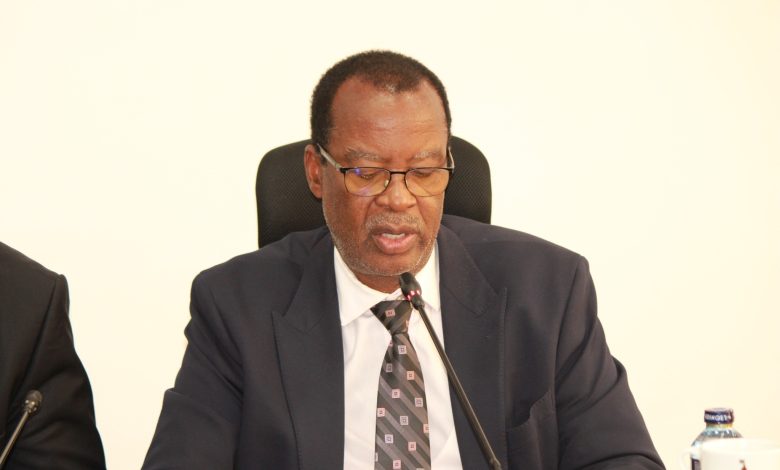
The Kenya National Bureau of Statistics (KNBS) has expressed support for two petitions seeking for the formal recognition of the Pare and Chuka communities as distinct tribes in Kenya.
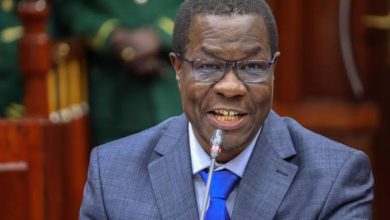
While appearing before National Assembly Public Petitions Committee, KNBS Director General D Macdonald Obudho emphasised the importance of accurate ethnic and tribal data, particularly in a culturally diverse country like Kenya.
He noted that such data is crucial for purposes including resource allocation, representation and inclusion, policy formulation, cultural preservation, social integration, and conflict resolution.
“Over the years, various communities living in Kenya have sought to be recognised as distinct tribes or sub-tribes,” said Dr Obudho. “This drive is often motivated by the desire to access statistical data, claim rightful entitlements, and promote community interests.”
The committee session, which was presided over by vice-chairperson Janet Sitienei (Turbo) was held to hear submissions on Petition No. 1 of 2025, seeking recognition of the Pare people and Petition No. 9 of 2025, regarding recognition of the Chuka community as a distinct ethnic group in the Republic of Kenya.
The committee was informed that communities such as the Makonde, Kenyans of Asian heritage, Shona, and Pemba who were previously stateless had been recognised as ethnic groups in Kenya within the last decade following formal petitions to the government.
The Pare community, primarily residing in Taveta Constituency, Taita Taveta County, was listed among the 6,272 stateless persons during the 2019 Kenya Population and Housing Census (KPHC). Other communities categorised as stateless at that time included the Shona, Wanyarwanda, and Wapemba have since been granted official recognition as tribes.
The Chuka community, meanwhile, is predominantly found in Tharaka-Nithi County. They are currently considered one of the nine sub-groups of the Meru ethnic community. The other Meru sub-groups include Igoji, Imenti, Tigania, Mitine, Igembe, Mwimbi, Muthambi, and Tharaka.
Members of the committee, however, raised concerns over the continued existence of stateless persons more than 60 years after independence with the Vice Chairperson, questioning, “Considering Article 16 of the Constitution outlines the conditions for citizenship, why has the Government neglected communities that have lived on this land long before national borders were drawn?”
Taveta MP John Bwire (Taveta) stressed the urgency of addressing the matter noting that recognising people as stateless was going against the tenets of the Constitution of Kenya, specifically, Article 27 which guarantees equality and freedom from discrimination for all Kenyans.
In response, Dr Obudho clarified that while the KNBS is responsible for data collection, the mandate to recognise and gazette ethnic communities squarely lay with the Ministry of Interior and National Administration.
He urged Parliament to expedite consideration of the two petitions and to collaborate with the Ministry to ensure recognition of all communities ahead of the 2029 national census.
“Statistical accuracy is best achieved when data is collected at the most distinct level. Avoiding the generalisation of communities will enhance equality and ensure that all Kenyans are accounted for,” Dr Obudho said.