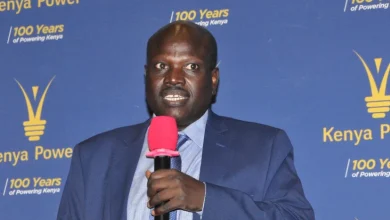
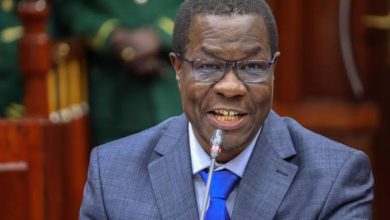
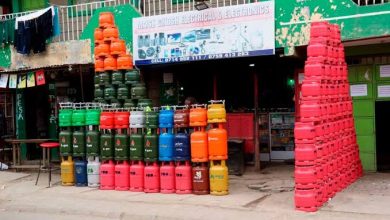
Energy Petroleum and Mining Principal Secretary Andrew Kamau has blamed Kenyans’ panic buying tendencies, as well as small-scale fuel merchants’ financial indiscipline, for the country’s severe fuel shortage.
Speaking to a local TV station today, the PS said if all Kenyans would continue buying fuel based on their normal patterns, the shortage wouldn’t hit the current crisis levels.
He claims that the panic buying behaviour has caused petrol stations across the country to run out of stock in a day that would normally last them a week.
“What happens when there’s an unforeseen surge in the number of customers? I’m a station owner, I have my tanks filled for what I need for the week. All of a sudden, what I needed for the week, I’m selling in six hours,” he said.
He compared the present fuel issue to bank consumers receiving information, whether verified or not, that their commercial banks are going bankrupt.
“I call it financial runs. Something spooks people, and they head out to their bank to get all their money.
So, what happens? You go there, and as the first person, you get all your money. When you are the 10,000th person, they say: ‘no, no, the bank is closed, we are not giving more money’.
So, what happens? Another 100,000 people shows up to try and get their money out of the ATM. That is what is called a run,” he said.
Kamau notes that oil marketers warned that if the government did not pay the Sh13 billion subsidy it owes them, they would soon be unable to ship in fuel, causing “panic-buying”.
“What is different is that fuel prices for imports have gone up from Sh90 per litre to Sh170 per litre. What I used to buy one truck for, is now 50 per cent or 60 per cent more.
If I haven’t kept the money aside; prudent financial management, cash-flow management, of course I am going to get into trouble,” he said, blaming dealers’ “financial indiscipline” on their woes.
“The subsidy itself has been pretty much constant at around Sh15 or Sh10 per litre, but the price of fuel has gone up (by) more than that; it has gone up by maybe Sh50.
So, (the subsidy that the government is paying to the oil marketers) as a percentage (of the overall income) is actually much smaller than what is being envisioned.”
Kamau said the government will, by the end of today, release the subsidy cash that it owes the oil marketing companies.
“They are being paid. Up to today, they have been paid something like Sh35 billion. That is for the last one year,” he stated.
PS Kamau adds that even if the independent oil marketers are paid the subsidy, they’ll still face cash-flow challenges if they don’t embrace financial prudence.
“They are owed (by the government), and we will pay them today. However, they’ll still have to contend with higher import oil prices, buy the cargoes that are in the high seas, have to pay their taxes upfront.
It (payment of subsidy) doesn’t address the full issue. The issue that we need to address is: ‘how do I manage my business? That’s the most important thing,” he said.
Oil marketers say for the past four months, the government has failed to remit the subsidy on fuel making it hard for them to order fresh imports.