Kenya to host global Bird Summit as 40 per cent species decline

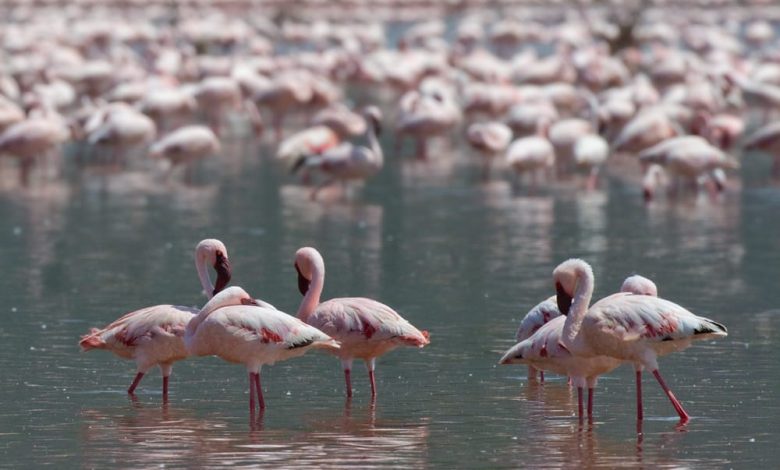
Kenya is set to make history as she hosts the Global Flyways Summit in Nairobi this September, the first time the landmark conservation gathering will be held on African soil.

This comes even as new data shows that more than 40 per cent of migratory bird species worldwide are in decline with BirdLife International warning that the loss of these animals is a signal that the natural systems sustaining human life are fracturing.
The alert comes ahead of World Migratory Bird Day on Saturday, May 9, 2026 just four months ahead of the Global Flyways Summit in Nairobi in September this year.
Observed in May and October each year, World Migratory Bird Day aligns with peak migration periods in each hemisphere, encouraging communities around the world take part in one of nature’s greatest shared phenomena.
According to Martin Harper, BirdLife International CEO, birds help our health and ecosystems flourish by transporting nutrients across oceans, encouraging crop growth, and preventing diseases, noting that the signals coming from great migratory routes are hard to ignore.
“Migratory birds connect us across countries, continents and ocean currents, protecting the major migratory highways of the world is how we reverse those declines. And when we do, people gain too: cleaner water, food security, flood protection, and more resilience to a changing climate,” noted Harper.
A flyway is a natural migration route used by birds as they travel between breeding grounds, feeding areas and seasonal refuges.
Scientists observe that these connected pathways stretch across borders and oceans, linking habitats thousands of kilometers apart.
“If one link in a flyway is damaged, such as a wetland drained or a coastline degraded, entire species can decline,” says Harper, adding that birds use these routes as they travel between breeding grounds, feeding areas and seasonal refuges.
Around the world, they follow four major flyways on land: the African–Eurasian, East Asian–Australasian, Americas and Central Asian. They also follow six marine flyways.
These pathways stretch across borders and oceans, joining habitats that lie thousands of kilometres apart.
BirdLife International, the only global partnership conserving birds and all forms of life on the planet, says the forthcoming summit offers a chance to better understand the broader impact of birds’ global flyways.
One of the world’s most important migration systems is the African–Eurasian Flyway, which links Africa, Europe and Asia. Along this route, birds travel from the Arctic to southern Africa and back again.
Dr Paul Matiku, Executive Director at Nature Kenya, the BirdLife International partner, says Africa has a central role to play in protecting these globally shared routes.
“Africa is central to some of the world’s great flyways. The health of our wetlands, rangelands and coastlines matters far beyond our borders. When we protect these habitats, we protect birds, biodiversity, and the communities that live alongside them,
“It is especially meaningful that the Global Flyways Summit will take place in Nairobi this September – the first time the summit is being held on the African continent,” stated Dr Matiku.
Co-hosted by BirdLife International and Nature Kenya, the Global Flyways Summit will bring together leaders from science, policy, finance, business and civil society.
Together, they will agree on the action needed to protect migratory birds and the ecosystems they depend on.
BirdLife scientists will also launch the new edition of the State of the World’s Birds report, with a focus on flyways. It offers the latest picture of bird populations and what they reveal about the wider health of nature.
To mark World Migratory Bird Day, BirdLife International is inviting people to step into this worldwide celebration of birdwatching and citizen science.
Every observation adds to the data that conservation depends on.